How to Pack Photos for Moving: Expert Tips from Alemo Transport in Annapolis, MD
.avif)

.png)
%20(1)%20(1).png)
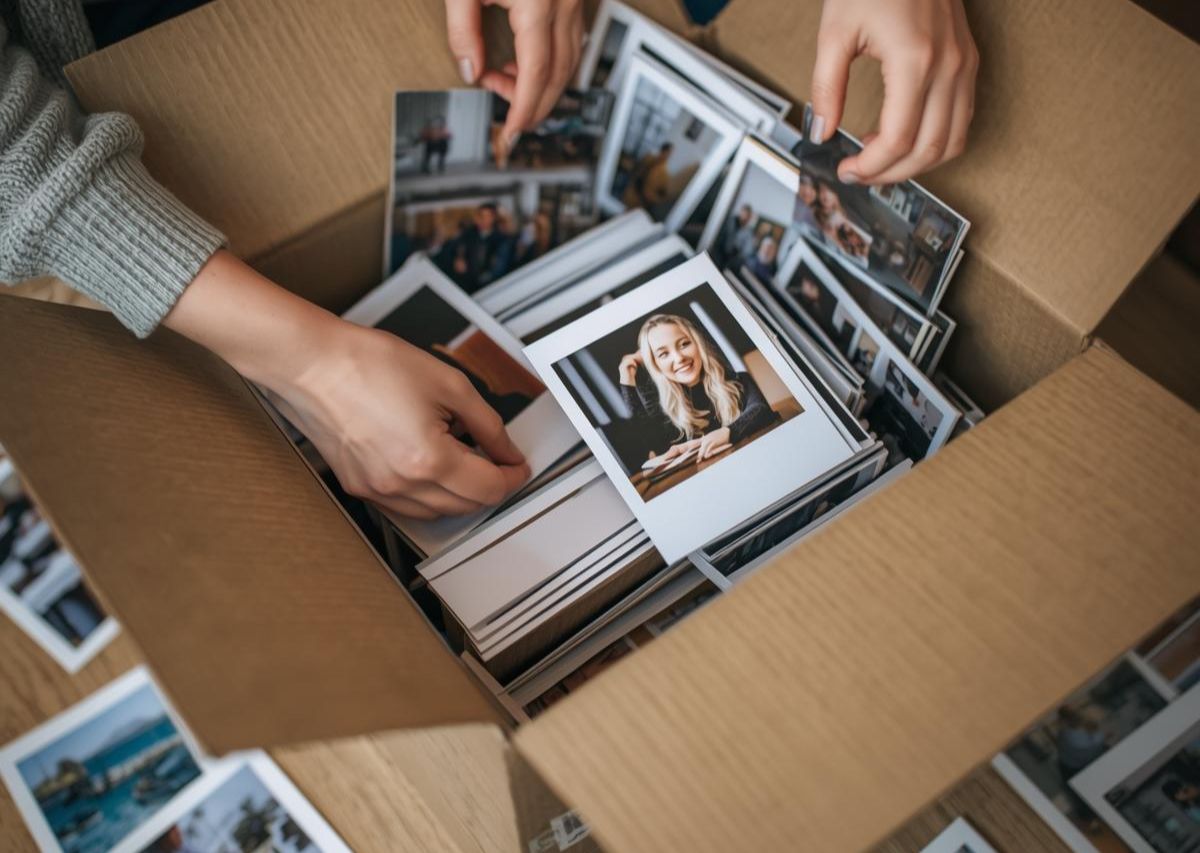
Your photographs capture your most precious memories. When moving to a new home in the Greater DMV Area, protecting these irreplaceable images should be a top priority. Whether you're relocating across Annapolis or to a new state, improper packing of photos can result in scratches, fading, broken frames, water damage, or worse. At Alemo Transport, we have helped hundreds of families preserve their photo collections during moves. This comprehensive guide provides expert techniques for packing photos safely, ensuring your memories arrive at your new home in perfect condition.
Why Packing Photos Requires Special Care
Photographs are more than just paper or digital prints in frames. They represent moments with loved ones, significant milestones, and family history that cannot be replaced or easily recreated. Unlike furniture or other household items, damaged photos cannot simply be repaired or replaced without losing their original quality and sentimental value. The physical act of moving exposes photos to various risks including temperature fluctuations, humidity changes, physical impact, and pressure from stacked boxes. Professional moving companies like Alemo Transport understand that these items demand a thoughtful, methodical approach to packing and transport.
Essential Packing Supplies for Photos
Before you begin packing, gather quality materials designed to protect delicate items. Having the right supplies on hand makes the packing process more efficient and provides better protection for your photos and other delicate items like jewelry or framed photos.
Bubble wrap provides cushioning and shock absorption, protecting frames and artwork from impact during transit. Use bubble wrap with adequate thickness, ideally with larger bubbles for maximum protection. Packing paper works well for wrapping individual photos and adding layers of protection between items. Acid-free tissue paper is essential for unframed photos, as regular paper can cause chemical damage over time. Cardboard corner protectors shield the vulnerable corners of framed photos from pressure and impacts. Mirror and picture boxes come in various sizes and are specifically designed for fragile items like photographs and artwork. Strong packing tape secures wrapping and boxes, preventing unwrapping during transport. Cardboard sheets and crumpled packing paper fill empty spaces in boxes to prevent shifting. Plastic storage containers with tight-fitting lids protect photos from moisture and dust during moves or temporary storage.
Step-by-Step Guide to Packing Framed Photos
Framed photographs require a systematic approach to ensure the frame, glass, and photo inside all remain protected and undamaged. When protecting the glass, consider using protective materials such as bubble wrap and boxes for fragile glass items to reduce breakage risk.
Prepare a Safe Work Area
Choose a large, clean, flat surface where you can work without rushing. Lay a thick blanket or padding over the surface to prevent scratches and damage during packing. Remove your framed photos from walls and shelves carefully, setting them on the cushioned surface. Take a moment to inspect each frame for any existing damage and document it with photos. This creates a record in case you need to file an insurance claim. Clean each frame gently with a soft cloth to remove dust and debris that might cause scratches during the move.
Protect the Glass
For framed photos with glass or acrylic, apply painter's tape in an X pattern across the front. This preventive step holds the glass together if it breaks during transit, reducing the risk of shards scattering and damaging the photo inside. Avoid using regular tape that can leave residue or damage frames. Blue painter's tape removes easily and works best for this purpose. Some framers recommend securing glass edges with clear tape as well, though be cautious not to apply it where it might damage the frame finish.
Wrap Individual Frames
Start by placing the frame face down on a sheet of packing paper. Wrap the paper around the frame as if wrapping a gift, ensuring complete coverage of all surfaces. Pay special attention to corners, as they are the most vulnerable areas. Fold the paper neatly and secure it with packing tape. Add a layer of bubble wrap over the packing paper, with the bumpy side facing outward to absorb impacts. For valuable or especially fragile frames, apply two layers of bubble wrap for extra protection. Secure the bubble wrap with tape, ensuring it stays in place during handling.
Add Corner Protectors
Place foam or cardboard corner protectors on each corner of the frame. These small but effective guards absorb impact and prevent corners from getting crushed, bent, or dented. Position protectors so they cover the frame edges without impeding the wrapping. Secure them gently with tape so they won't shift or fall off during the move.
Pack Frames Vertically in Boxes
Place wrapped frames inside a picture or mirror box designed for fragile items. These specialized boxes provide better protection than standard boxes. Line the bottom of the box with crumpled packing paper or packing peanuts to create a cushioned base. Stand frames upright inside the box rather than laying them flat. Flat positioning increases the risk of warping, glass breakage, and damage to the photo. Fill all empty spaces with packing material to prevent any shifting or movement during transit. This is critical because movement causes impact damage to frames.
Seal and Label Clearly
Close the box and seal all seams with strong packing tape. Reinforce the bottom and top thoroughly to prevent the box from opening in transit. Write "FRAGILE" clearly on multiple sides of the box in large, visible letters. Add "This Side Up" with directional arrows to indicate proper orientation. Note on the box that it contains photos or artwork to alert movers to handle it with extra care.
Packing Unframed Photos and Prints
Loose photographs without frames also need careful protection to prevent bending, creasing, fading, and deterioration during a move.
Create Photo Bundles
Sort photos by size and organize them into logical bundles. Group photos from the same albums or time periods together to simplify unpacking. Place each stack between sheets of acid-free tissue paper. This barrier prevents photos from sticking together and shields them from scratches and damage. Add a piece of sturdy cardboard backing to each bundle for structural support. This prevents photos from bending or warping during the move. The cardboard should be slightly larger than the photos themselves.
Wrap with Protective Materials
Once bundles are prepared, wrap them in acid-free plastic storage bags if available. These bags protect against moisture and dust exposure during transit. For additional protection, wrap each bundle in bubble wrap. Keep the wrapping snug but not tight, as excessive pressure can cause damage. Secure the wrapping with gentle tape, avoiding contact between tape and photos themselves.
Use Acid-Free Photo Boxes
Place wrapped photo bundles in acid-free photo storage boxes. These specialized boxes prevent chemical degradation that can fade or yellow photos over time. Regular cardboard boxes contain acids that can damage photos during storage and transit. Acid-free boxes preserve photo quality and prevent deterioration. Arrange bundles standing upright inside the box rather than stacked flat. This position prevents pressure damage and makes retrieval easier when unpacking. Fill the box only partially if this prevents excess pressure on photos.
Label and Track
Label boxes clearly with contents like "Family Photos 1980-1990" or "Wedding Photos." This helps you locate specific collections after moving. Note on the box that it contains irreplaceable items requiring careful handling. Keep an inventory list of photo boxes packed so you can verify all arrive safely at your new home.
Special Handling for Valuable or Antique Photos
Older photographs, particularly those that are hand-tinted, colored with special inks, or from historical collections, require additional precautions during a move.
Original daguerreotypes, tintypes, ambrotypes, and other antique photographic processes are extremely fragile and sensitive to environmental changes. Store these in individual compartments of specially designed archival boxes. Use glassine paper instead of regular tissue paper, as it provides better protection for delicate surfaces. Keep temperature and humidity stable during the move. Extreme fluctuations can cause warping, fading, and damage to antique photos. Transport these items in your personal vehicle rather than the moving truck if possible, giving you direct control over handling and environment. Consider having valuable photos appraised and insuring them separately for the move.
Climate Control and Storage Considerations
Temperature and humidity dramatically affect photo preservation during and after a move. Photos are sensitive to environmental extremes that can cause fading, warping, sticking, and deterioration.
Keep photo boxes in climate-controlled areas of your home before the move. Avoid basements, attics, garages, and other spaces prone to temperature swings and moisture. During transport, choose a climate-controlled moving truck when possible. Standard trucks expose photos to heat, cold, and humidity fluctuations that damage photos. Store photo boxes in the coolest, driest part of the moving vehicle away from direct sunlight. At your new home, unpack photos as soon as possible rather than storing them in boxes for extended periods. Set up a designated space for photo storage that is cool, dry, and away from sunlight. Use archival storage boxes and acid-free materials for long-term photo preservation. Store photos away from heat sources like radiators, furnaces, and direct windows.
Annapolis Area Moving Tips for Photo Protection
The Greater DMV Area experiences seasonal temperature and humidity variations that can impact photo preservation during moves. Plan your move during moderate weather when possible, avoiding extreme heat or cold. Spring and fall typically offer the most stable conditions. Humidity in the Annapolis area can be high, particularly in summer months. Choose a moving company that uses climate-controlled vehicles to minimize humidity exposure. If moving during humid seasons, open windows at your new home gradually after unpacking photos to acclimate them to the new environment slowly. Avoid sudden temperature changes that can cause condensation and water damage.
Why Professional Packing Services Make a Difference
While many homeowners successfully pack their own photos, professional packing services provide additional benefits and peace of mind. Alemo Transport's packing experts understand the nuances of protecting different photo types and frame materials. Our team has handled thousands of photo collections and knows the best techniques and materials for preservation. Professional movers carry insurance that covers damaged photos during transit. This protection gives you financial recourse if damage occurs despite careful handling. We have access to specialized packing supplies and equipment designed specifically for fragile items. Our experience ensures photos are packed efficiently without waste or unnecessary time spent on your moving day.
Frequently Asked Questions
1. Should I pack photos myself or hire professional packers for my Annapolis move?
Both approaches can work, depending on the volume and value of your photo collection. Small collections of casual photos can typically be packed by homeowners using the techniques outlined in this guide. However, if you have valuable, antique, or extensive photo collections, professional packing services from Alemo Transport provide expert handling and insurance coverage. Professional packers work efficiently, saving you time and ensuring maximum protection for irreplaceable memories. They also handle the physical demands of packing large quantities of framed photos and artwork.
2. What temperature and humidity levels are safe for transporting photos during a move?
Ideal conditions for photo storage and transport are approximately 60 to 70 degrees Fahrenheit with 30 to 40 percent relative humidity. These stable conditions prevent fading, warping, and deterioration. During moves, avoid exposing photos to temperatures below 50 degrees or above 85 degrees Fahrenheit when possible. Extreme heat can cause damage to photographs and frames. High humidity above 60 percent creates risk of mold, mildew, and moisture damage. Low humidity below 20 percent can cause photographs to become brittle and frames to crack. Climate-controlled moving trucks help maintain these optimal conditions during transit. At your new home in Annapolis, monitor indoor conditions and adjust heating, cooling, and humidity controls to maintain safe photo storage environments.
3. Can I transport valuable family photos in my personal vehicle instead of the moving truck?
Yes, transporting irreplaceable or valuable photos in your personal vehicle is an excellent approach for important moves. This gives you direct control over handling, temperature, and humidity throughout the journey. Keep photo boxes in the passenger compartment rather than the trunk, where temperature fluctuations are more extreme. Use seat belts or other securing methods to prevent boxes from shifting during stops and turns. Never leave photos unattended in a parked vehicle, particularly in hot or cold weather. If transporting photos separately from other household items, ensure someone stays with the vehicle at all times. This approach works particularly well for valuable, antique, or irreplaceable photo collections that justify the extra care and attention.
Protecting your precious memories during a move is one of the most important aspects of relocation. Whether you are moving a few blocks in Annapolis or across the Greater DMV Area, the techniques and materials discussed in this guide will help preserve your photos for generations to come. For comprehensive moving support including professional packing services, contact Alemo Transport today at 240-968-6717 or alemotransport@gmail.com. Our experienced team is ready to help you move safely and keep your irreplaceable moments protected every step of the way.