How to Organize a Rummage Sale: A Complete Guide for Communities, Homes and Fundraisers
.avif)

.png)
%20(1)%20(1).png)
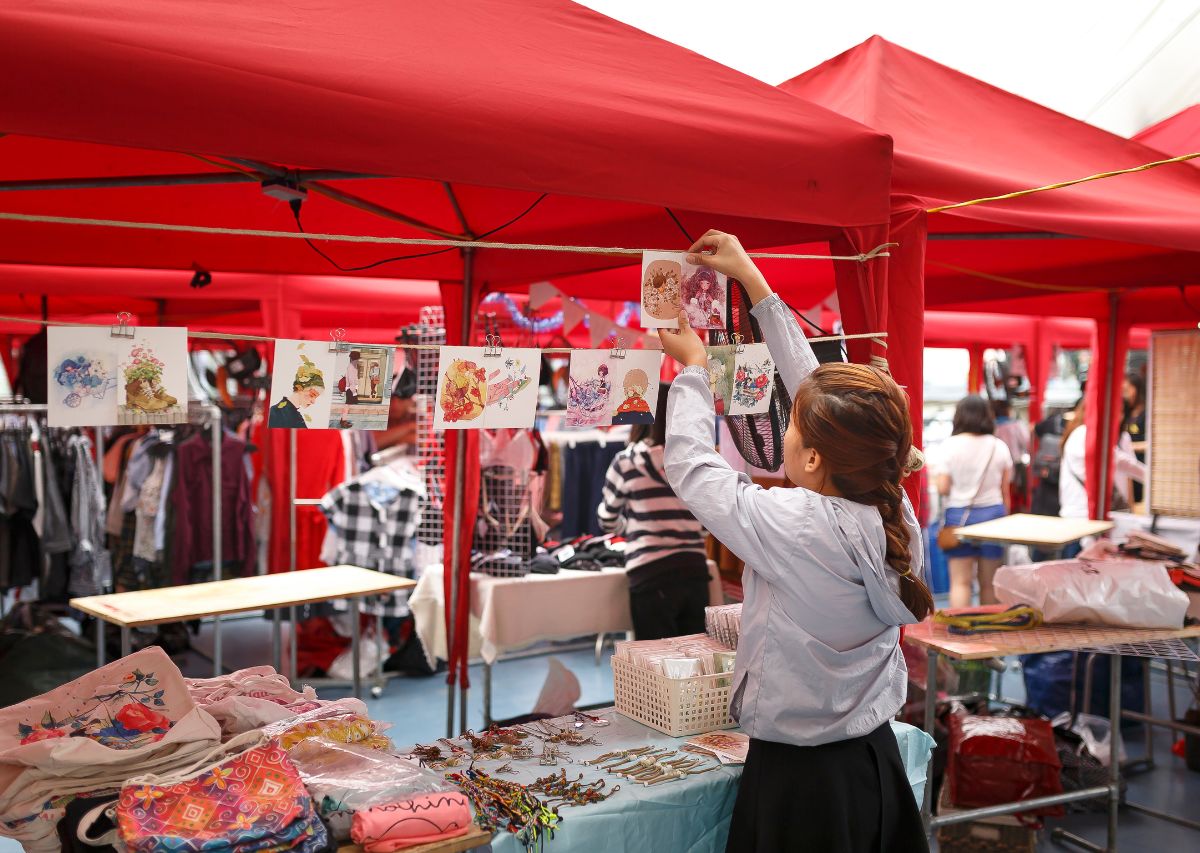
A rummage sale is one of the most effective ways to clear clutter, raise funds or bring a community together. Whether you are organizing one for a school, church, nonprofit group, neighborhood or your own household, knowing how to organize a rummage sale the right way helps you earn more, reduce stress and create a fun event for everyone involved.
This guide will take you step by step through planning, collecting items, pricing, promoting and managing your sale. With clear instructions and practical advice, you will have everything you need to run a smooth and successful event.
As a trusted moving and transport service in Annapolis MD, Alemo Transport often assists people who need help moving items, delivering donations or transporting unsold goods after a sale. While this guide focuses on how to run a rummage sale, the Alemo Transport team can support your logistics needs. If you ever need moving help, contact us at alemotransport@gmail.com or 240 968 6717.
What Is a Rummage Sale?
A rummage sale is a type of community or household sale where people offer used, pre owned or donated items at affordable prices. It is similar to a yard sale or garage sale but usually involves more people, more items and a larger space.
Rummage sales are ideal for:
- Fundraising for schools, churches and organizations
- Decluttering a home or estate
- Neighborhood events
- Community clean up efforts
- Moving preparation
- Downsizing
Because items are priced low, these sales attract bargain hunters, families and collectors.
Step One: Choose the Purpose of the Rummage Sale
Before planning your event, decide why you are organizing it. Your purpose determines your approach, pricing and advertising.
Common goals include:
- Raising funds for an organization
- Clearing out household clutter
- Supporting a charity
- Helping a community group
- Preparing for a move or downsizing
Knowing your goal helps you choose a date, gather volunteers and decide how to manage the money.
Step Two: Pick the Best Date and Location
The success of your rummage sale depends heavily on when and where it takes place.
Choosing the Right Date
Select a weekend, especially Saturday mornings, when shoppers are most active. Avoid major holidays and extreme weather seasons.
Best times of year:
- Spring
- Early summer
- Early fall
Choosing a Location
If you are hosting a community sale, choose a large space such as a church parking lot, school gym, community center or neighborhood common ground. Make sure it is easy to find and offers enough parking.
Step Three: Gather Items for the Sale
A rummage sale depends on the variety and quality of items offered. Start collecting well before the sale date.
Items that sell well include clothes, toys, books, kitchen items, tools, small appliances, furniture, decor items and sports equipment. Always check items for cleanliness and safety.
Step Four: Organize Volunteers or Helpers
If your rummage sale involves many items or a community group, you will need help. Assign roles early to reduce confusion.
Common volunteer roles include sorting items, pricing, setting up tables, directing customers, handling payments and packing unsold items. For heavy lifting or transporting furniture, working with professional local movers can make setup and cleanup faster and safer.
Step Five: Sort and Categorize All Items
Sorting helps your sale look organized and makes browsing easier. Group items into categories like clothes, household goods, electronics, toys, books, tools, furniture and seasonal items.
Step Six: Clean and Prepare Items for Sale
Clean items sell faster. Dust surfaces, wash clothes, wipe toys and test electronics. Presentation makes a big difference in buyer interest.
Step Seven: Price Items Fairly
Keep prices low to encourage quick sales. Use color coded stickers, bundle similar items and adjust pricing based on condition and demand.
Step Eight: Promote the Rummage Sale
Promote your sale using social media, flyers, neighborhood signs and word of mouth. Bright directional signs help attract more shoppers.
Step Nine: Plan the Sale Layout
Use wide walkways, organize tables by category and place heavy items near exits. A clear layout improves customer flow and sales.
Step Ten: Prepare for Checkout and Payments
Offer cash and mobile payment options. Keep small bills available and assign at least two people to manage payments.
Step Eleven: Manage the Sale on the Event Day
Arrive early, greet shoppers warmly, keep items tidy and consider discounts toward the end of the day.
Step Twelve: Handle Unsold Items
After the sale, decide whether to donate, recycle, sell online or store leftover items. Seasonal items, especially holiday decor, should be stored properly. You may find it helpful to review how to store artificial Christmas trees to keep them in good condition for future use.
Step Thirteen: Clean Up the Area
Pack remaining items, remove trash and restore the space. If large furniture or boxes remain, Alemo Transport can help clear the area efficiently.
Step Fourteen: Evaluate the Sale
Review what worked well, which items sold fastest and how pricing performed. This helps you improve future rummage sales.
If you need help transporting donated items, moving heavy goods or delivering leftover furniture after your rummage sale, Alemo Transport is ready to assist. Contact us at 240 968 6717 or alemotransport@gmail.com for safe and reliable support in Annapolis MD.
FAQs
1. What items sell best at a rummage sale and why?
Items that sell best at rummage sales include clothes, kitchenware, toys, books, small appliances and decor. These items attract shoppers because they are practical, easy to browse and usually priced affordably. Clean, functional and gently used items tend to sell the fastest.
2. How far in advance should I start planning a rummage sale?
It is best to start planning at least three to four weeks in advance. This gives you enough time to gather items, recruit volunteers, sort donations, advertise the event and prepare the location. Early planning ensures better organization and increases your chances of having a successful sale.
3. What is the best way to price items for a rummage sale?
The best way to price items is to keep prices low and reasonable, since shoppers expect bargains. Group small items together, use color coded stickers and consider offering discounts late in the day. Fair pricing encourages more sales and keeps customers browsing longer during the event.
4. How can I attract more people to my rummage sale?
To attract more people, promote your sale on social media, place bright signs around your neighborhood, post online classifieds, spread the word through community groups and choose a busy weekend morning. Good advertising and visible directional signs bring more traffic to your event.
5. What should I do with leftover items after a rummage sale?
Leftover items can be donated to local charities, listed online for free, recycled or saved for another sale. Items in poor condition should be disposed of properly. If you have bulky or heavy items remaining, a transport service can help move them safely and deliver them to donation centers.