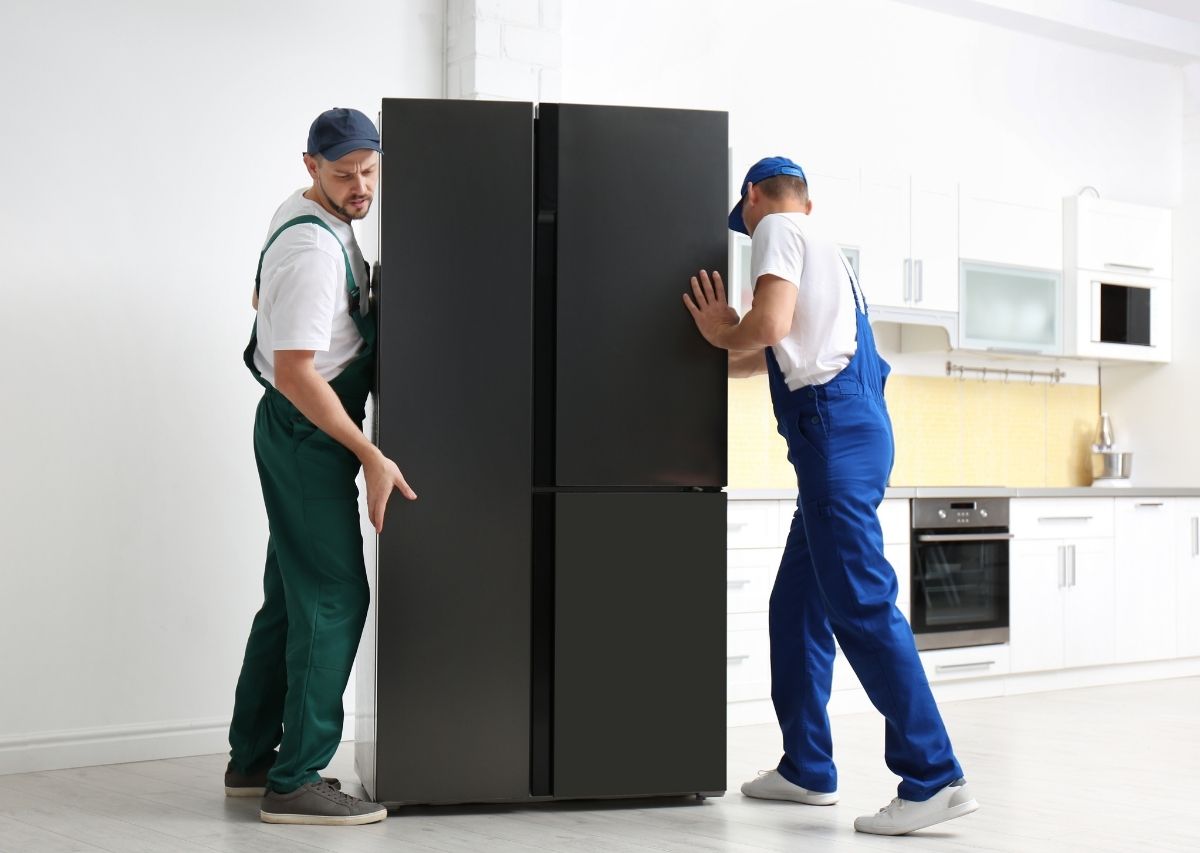
How to Move a Gun Safe: Complete Step by Step Guide for Homeowners
.avif)

.png)
%20(1)%20(1).png)
Gun safes are designed to be extremely strong, secure and heavy. While the weight is excellent for protecting firearms and valuables, it becomes a challenge when you need to relocate your safe to another room or a new home. The process requires careful planning, proper tools and the right techniques. If not done correctly, it can lead to serious injuries or expensive damage to floors, walls or doorways.
This comprehensive guide explains how to move a gun safe safely, even if you have never handled one before. You will learn the key steps, tools, safety measures and professional best practices from the perspective of a company that understands home safety and careful handling. Alemo Transport serves homeowners throughout Annapolis, MD, and while we offer reliable moving and transport services, this guide is created to help you handle your gun safe the right way. If at any point you feel the process is risky, our team is reachable at alemotransport@gmail.com or 240 968 6717 for assistance or recommendations.
Understanding the Challenges of Moving a Gun Safe
Gun safes can weigh anywhere from 200 pounds to more than 1500 pounds depending on size, gauge thickness and internal features. Their shape, density and tall structure make them difficult to lift, balance and guide through tight spaces. Before planning your move, understand the key challenges first.
1. Extreme Weight
Most injuries occur because people underestimate the safe’s weight. Even compact gun safes often require multiple people and specialized equipment to move safely.
2. Large and Bulky Size
Gun safes are tall and deep, which makes them awkward to handle around turns, hallways and doorframes.
3. High Risk of Property Damage
A safe that tips or slips can crack tile, dent hardwood floors, damage drywall and scratch doorframes.
4. Personal Injury Risks
Back strains, crushed fingers and foot injuries are common when a gun safe is handled without proper technique.
5. Stair Navigation Difficulty
Stairs add the highest level of risk. Without proper equipment, heavy safes cannot be safely moved up or down.
Understanding these challenges helps you prepare better and avoid dangerous mistakes.
Step One: Plan the Move From Start to Finish
Planning is the most important part of learning how to move a gun safe. Before touching the safe, map out every detail of the path.
Measure the safe, doorways and hallways, identify obstacles and clear the entire route. Preparing properly reduces the chance of sudden shifts or accidents. Many homeowners choose to consult professional local movers at this stage, especially when stairs, tight turns or heavy safes are involved.
Step Two: Gather the Necessary Equipment
Using the right equipment is the main difference between a safe, efficient move and a dangerous one. Heavy-duty appliance dollies, furniture sliders, moving blankets, lifting straps, work gloves and floor protection are essential.
Never attempt to move a gun safe using standard furniture dollies or household tools. Heavy equipment is required for safe handling.
Step Three: Empty the Gun Safe Completely
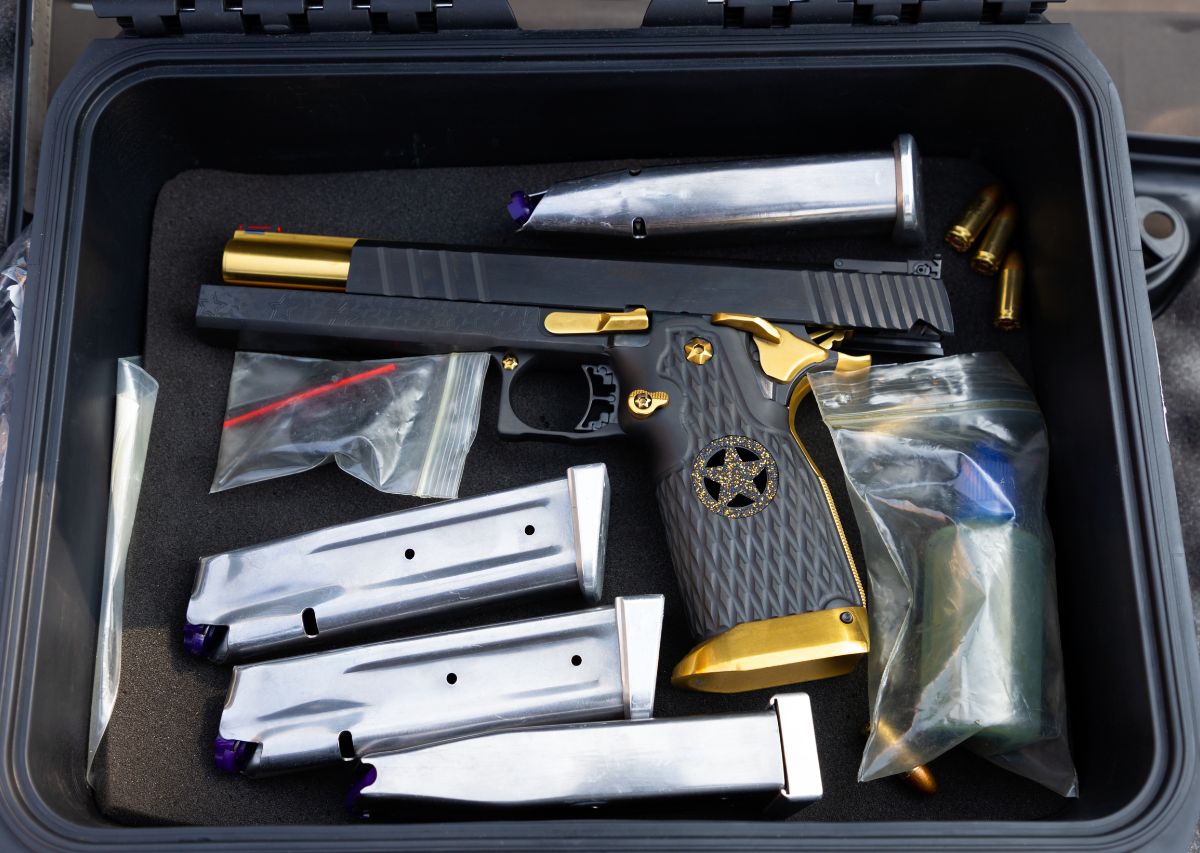
Before moving a gun safe, remove all firearms, ammunition, documents, shelving and accessories. An empty safe weighs less, reduces internal damage risk and prevents shifting during transport. Once empty, lock the safe to keep the door secure.
Step Four: Protect the Safe and Your Property
Wrap the safe with moving blankets and secure them tightly. Protect doorframes, floors and corners with cardboard or plywood to prevent damage throughout the move.
Step Five: Load the Safe Safely Onto the Dolly
Tilt the safe carefully with helpers, center the weight on the dolly and secure it tightly with straps. Test stability before moving. Rushing this step increases the risk of tipping or injury.
Step Six: Move the Safe Slowly and Steadily
Move at a controlled pace, communicate clearly and avoid sharp turns. Keep the safe upright and use plywood on soft or uneven surfaces.
Step Seven: Handling Stairs Safely
Stairs are the most dangerous part of moving a gun safe. Use stair-climbing dollies when possible, have enough helpers and move one step at a time. For safes over 500–600 pounds, professional help is strongly recommended.
Step Eight: Positioning the Safe in Its New Location
Once in place, remove straps, slide out the dolly and use furniture sliders for final adjustments. Ensure the safe is level before reinstalling contents to maintain proper door function.
Common Mistakes to Avoid When Moving a Gun Safe
Underestimating weight, using the wrong tools, dragging the safe, rushing the move and ignoring safety gear are the most common and costly mistakes.
Should You Hire Professional Movers Instead?
While DIY moving is possible in some cases, extremely heavy safes or difficult layouts require professional equipment such as hydraulic lifts and motorized stair climbers. Alemo Transport in Annapolis, MD offers safe handling solutions for heavy household items and can assist when the risk is too high.
If moving your gun safe feels challenging or unsafe, Alemo Transport is here to help. Call 240 968 6717 or email alemotransport@gmail.com and our team can guide you or arrange a safe move. For more guidance on proper storage and handling of bulky household items, explore our additional resources.
FAQs
1. How heavy is a gun safe and how does weight affect moving it?
A gun safe can weigh from 200 to over 1500 pounds depending on build and size. Weight affects how many helpers you need, what equipment is required, the way you lift and balance the safe and the overall difficulty of the move. Heavier safes require stronger tools and more planning.
2. Do I need to empty the safe before moving it to another room?
Yes, always empty a gun safe before moving. Removing firearms, ammunition and accessories reduces the weight, prevents items from shifting inside and makes the safe easier to balance. An empty safe is safer for your helpers, your floors and your doorway frames during the move.
3. What equipment is needed to move a gun safe safely at home?
A heavy duty appliance dolly, lifting straps, thick gloves, moving blankets, plywood sheets and furniture sliders are essential when moving a gun safe. These tools help with stability, reduce strain on helpers and prevent damage to walls, floors and doorframes during the moving process.
4. Can I move a gun safe up or down stairs without hiring movers?
You can move a gun safe up or down stairs if you have enough helpers and the right equipment, but it is one of the riskiest parts of the move. Use a stair climbing dolly and secure straps, and move slowly step by step. Professional movers are recommended if the safe is very heavy.
5. When should I call professionals to move a heavy gun safe?
Call professionals if the safe weighs more than 600 pounds, if stairs are involved or if the space is tight. Professionals use specialized tools and techniques to handle heavy items safely. Hiring experts prevents injuries and reduces the chance of costly damage during the moving process.