What Is Intermodal Freight? A Complete Guide for Businesses and Shippers
.avif)

.png)
%20(1)%20(1).png)
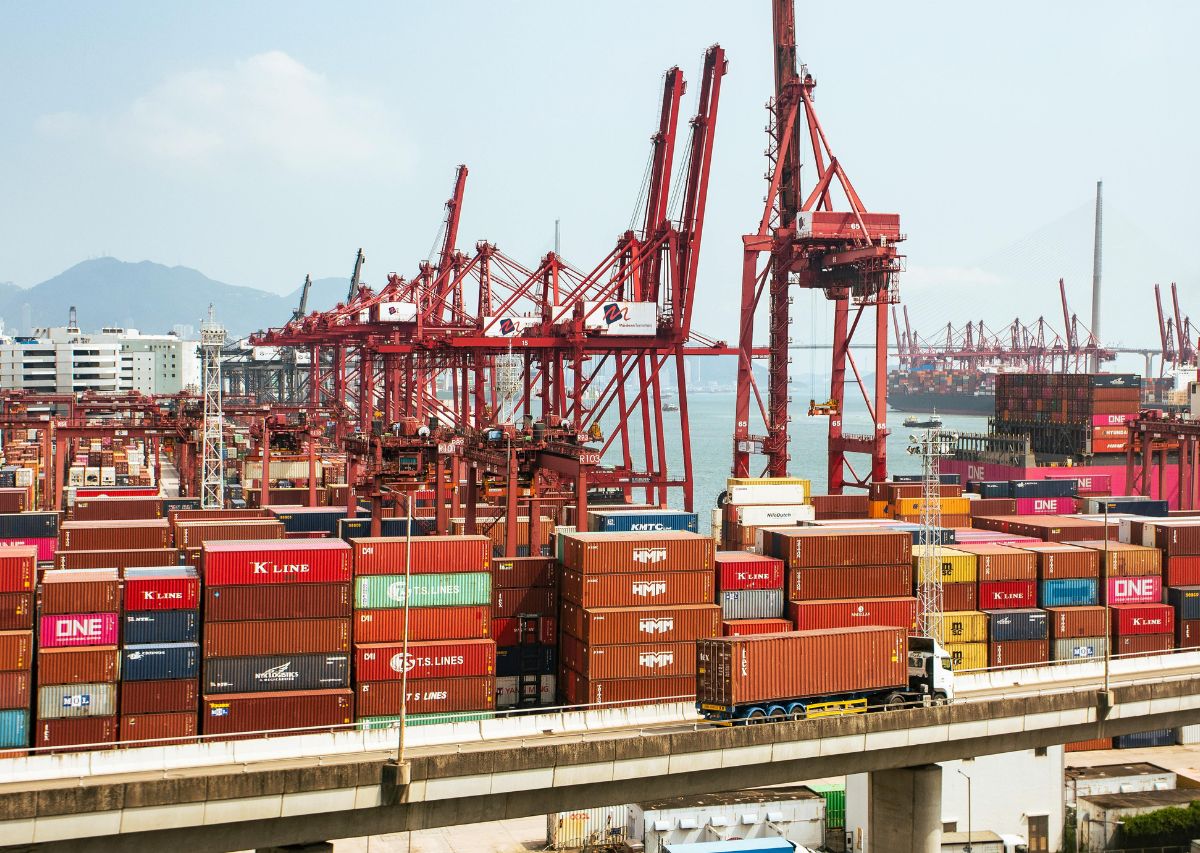
In the logistics world, efficiency and reliability are everything. Businesses rely on smooth, cost effective transportation to keep goods moving across cities, states and international borders. One of the most important shipping systems supporting modern commerce is intermodal freight. It plays a major role in connecting trucks, railroads, ships and ports to deliver products to their final destinations safely and efficiently.
If you have ever wondered what intermodal freight is, how it works or why businesses rely on it, this detailed guide explains everything you need to know. Whether you manage a small business, oversee supply chain operations or simply want to understand freight options, this article breaks down the essentials in simple terms.
As a reliable transport and moving service provider in Annapolis, MD, Alemo Transport works with clients who depend on trusted shipping solutions. Understanding intermodal freight helps business owners make better logistics decisions. If you ever need help with local transport, warehouse transfers or last mile deliveries, you can reach Alemo Transport at alemotransport@gmail.com or 240 968 6717.
Defining Intermodal Freight: The Simple Explanation
Intermodal freight refers to the movement of goods using multiple modes of transportation while keeping the same container throughout the entire journey. Instead of unloading and reloading individual products every time the cargo changes vehicles, the container remains sealed.
Intermodal freight combines:
- Trucks
- Trains
- Ships
- Sometimes airplanes
This method reduces handling, increases efficiency and helps companies save time and money. For example, a container may start its journey on a truck, be transferred to a train, then loaded onto a cargo ship, and finally delivered by another truck to its destination. All of this happens without opening the container.
Intermodal shipping simplifies long distance freight movement and supports both domestic and international trade.
How Intermodal Freight Works: Step by Step
Understanding how intermodal freight works starts with a simple concept: a single container moves across different transportation modes without repacking the cargo.
1. Cargo Is Loaded Into a Standard Container
The journey begins at the shipper’s facility, warehouse or distribution center. Goods are packed into an intermodal container built to meet global shipping standards.
2. The Container Is Loaded Onto a Truck
A truck picks up the container using a chassis and moves it to the nearest rail terminal, port or intermodal hub. This process is known as drayage.
3. Transfer to Train or Ship
At the terminal, cranes lift the container and place it onto a railcar or cargo ship.
4. Long Distance Transportation
Rail or ocean transport handles long hauls more efficiently than trucking alone.
5. Transfer Back to Truck
Once the container reaches its destination terminal, it is transferred back onto a truck.
6. Final Delivery
The truck delivers the container to the receiver’s location, completing the shipment.
For many businesses, this final stage relies on dependable local transport and last mile delivery services to ensure freight reaches warehouses, retail locations or job sites on time.
Benefits of Intermodal Freight for Businesses
Intermodal shipping offers several key advantages:
1. Lower Transportation Costs
Rail and ships use less fuel per ton than trucks, reducing overall shipping expenses.
2. Increased Efficiency and Speed
Containers are transferred quickly using cranes, minimizing labor and delays.
3. Reduced Damage and Better Protection
Sealed containers reduce handling and protect goods from theft and weather.
4. Improved Sustainability
Fewer trucks on highways means lower emissions and reduced congestion.
5. Ideal for Long Distance Freight
Intermodal transport is especially effective for cross country and international shipping.
6. Flexible and Scalable Solutions
Standard container sizes allow businesses to easily adjust shipment volumes.
What Types of Goods Are Shipped Using Intermodal Freight?
Common intermodal freight includes:
- Consumer products
- Electronics
- Clothing and textiles
- Raw materials
- Building supplies
- Machinery
- Food products
- Retail inventory
Fragile and high value goods are often well suited for intermodal shipping because containers remain sealed throughout the journey.
Intermodal vs. Multimodal Shipping
Intermodal Freight
- Uses multiple transportation modes
- Cargo stays in one sealed container
- Different carriers may manage each leg
Multimodal Freight
- Uses multiple transportation modes
- One carrier manages the entire journey
- Cargo may be reloaded
Intermodal shipping provides greater flexibility and cost control.
Why Intermodal Freight Is Important for Modern Supply Chains
Intermodal freight connects oceans, railroads and highways to keep global trade moving. It reduces costs, supports sustainability and helps businesses scale operations efficiently.
How Alemo Transport Supports the Transport Industry in Annapolis MD
Alemo Transport supports businesses that rely on intermodal freight by providing:
- Local pickups
- Last mile delivery
- Warehouse transfers
- Loading and unloading
- Transport to nearby terminals
In addition to transportation, businesses handling seasonal or specialty cargo often benefit from guidance on proper storage and handling of seasonal freight to prevent damage and reduce logistics costs.
If your business needs help with local transport, freight transfers or moving goods to and from intermodal hubs, contact Alemo Transport at 240 968 6717 or alemotransport@gmail.com. Our Annapolis-based team is ready to assist with safe and reliable service.
FAQs
1. What makes intermodal freight different from regular trucking?
Intermodal freight uses multiple transport modes such as trucks, trains and ships to move a sealed container from origin to destination. Regular trucking relies only on trucks for the entire trip, while intermodal shipping allows long distance travel with lower fuel costs and improved efficiency.
2. Why do companies choose intermodal freight for long distance shipping?
Companies prefer intermodal freight because it combines the low cost of rail and ocean shipping with the flexibility of trucks. It reduces fuel expenses, limits cargo handling and lowers the risk of damage. Businesses that ship large volumes across long distances often save more with intermodal solutions.
3. What types of goods are most suitable for intermodal freight?
Intermodal freight is ideal for packaged goods, raw materials, electronics, clothing and retail inventory. Any item that fits inside a standard container can be shipped this way. The sealed container protects goods from weather, theft and damage during transfers between different transport modes.
4. How does intermodal freight help reduce environmental impact?
Intermodal freight reduces environmental impact by shifting long distance travel from trucks to trains and ships, which use less fuel per ton of freight. This lowers emissions, cuts congestion on highways and supports sustainable supply chain practices for companies transporting large volumes of goods.
5. When should a business avoid using intermodal freight?
Intermodal freight may not be ideal when goods need urgent delivery, when the origin or destination is far from rail or port terminals or when cargo is too oversized for standard containers. Businesses that require flexible scheduling or have fragile goods needing special handling may prefer other methods.